
As we head into the new school year, some new passengers on the school run will be shocked to find they may have to stand for all or part of their journey. Some will go home and tell their parents that the bus is too crowded, too unsafe, too tiring, and that really the taxi firm of Mum and Dad should be chauffeuring them to school in comfort. If you’re a parent on the receiving end of this argument, don’t give in: standing room only on buses is normal, safe and legal. We love standing room only, and here’s why.
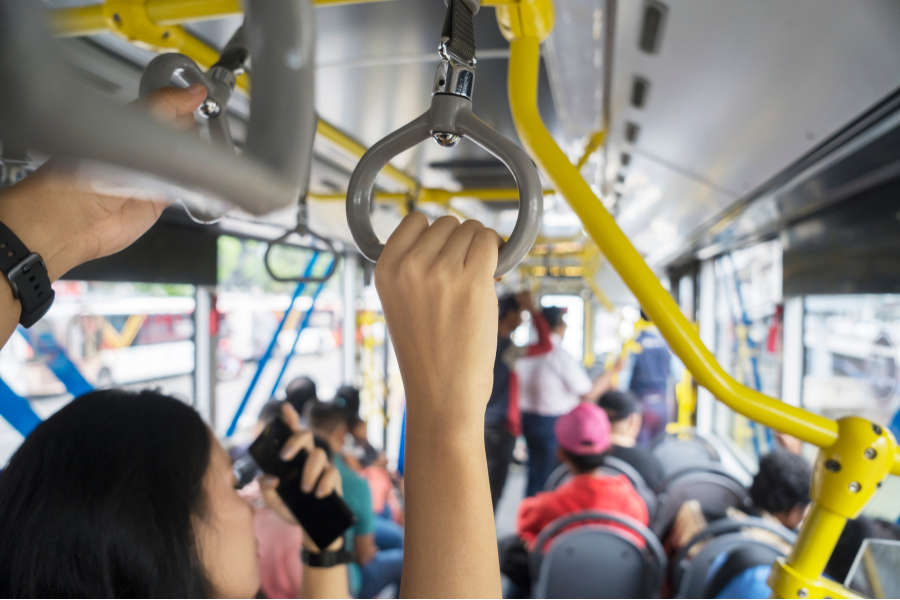
When I (Clare) was a kid in the ’70s, the cool kids always wanted to stand on the bus. There was grumbling and mumbling if the driver refused to move off until all the seats were taken. And if anyone who looked even vaguely “old” (that’s over about 25) got on, there’d be a rush of volunteers competing to give up their seats – it wasn’t really about good manners, they just wanted to stand up with the cool kids.
When I went to college in London, we still had these:
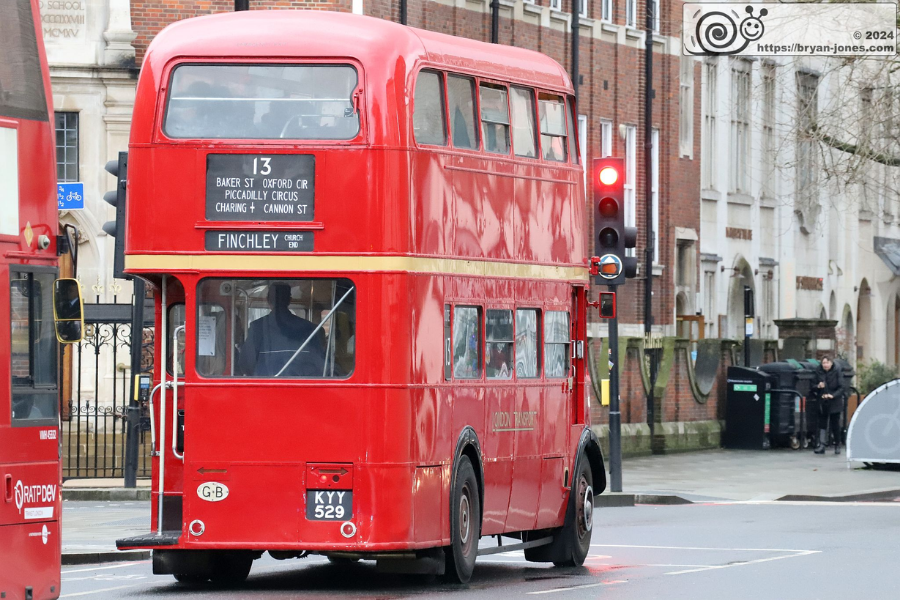
Hopping on and off the back of a still-moving Routemaster made me feel like a proper little city slicker. Standing on the platform at the back, watching the West End sail by, never got old.
Later, working in Turkey, the minibuses that connected villages were called “dolmuş” – the word literally means “stuffed”. They ran a set route but no timetable; they simply waited until they were completely full – stuffed – before setting off. Standing was always the best option for getting some air. And if you weren’t seated, you avoided your neighbour’s excess shopping, children, or – on one occasion – a baby goat piled onto your lap.

The baby goat was quite cute, right up until its owner picked it up to leave the bus and it released a goaty poonami into my lap – turns out goats don’t wear Pampers. Surprisingly, the seat next to me stayed empty for the rest of the journey.
Back in Newent twenty years ago, buses were still standing room only at peak times. Staying upright on the last bus back from Gloucester on a Friday night was sometimes a challenge – but that had more to do with how much merriment we’d had that evening than the design of the bus or the driving.
Then, gradually there were fewer and fewer passengers, it got to be so you never had to stand: you had a choice of seats, and occasionally not another soul on the bus – just you and the driver.
As the choice of seats increased, the choice of buses shrank, as services were cut, then cancelled. By 2022, we’d lost our bus services between Newent, Ross and Ledbury completely.
So now, I rejoice when I have to stand on the bus. It means the service is working as it should.
Buses are what the Americans call “mass transit”. They’re designed to move a lot of people around together, in a way that’s economical, convenient and environmentally friendly. The more people on board, the better the bus is doing its job.
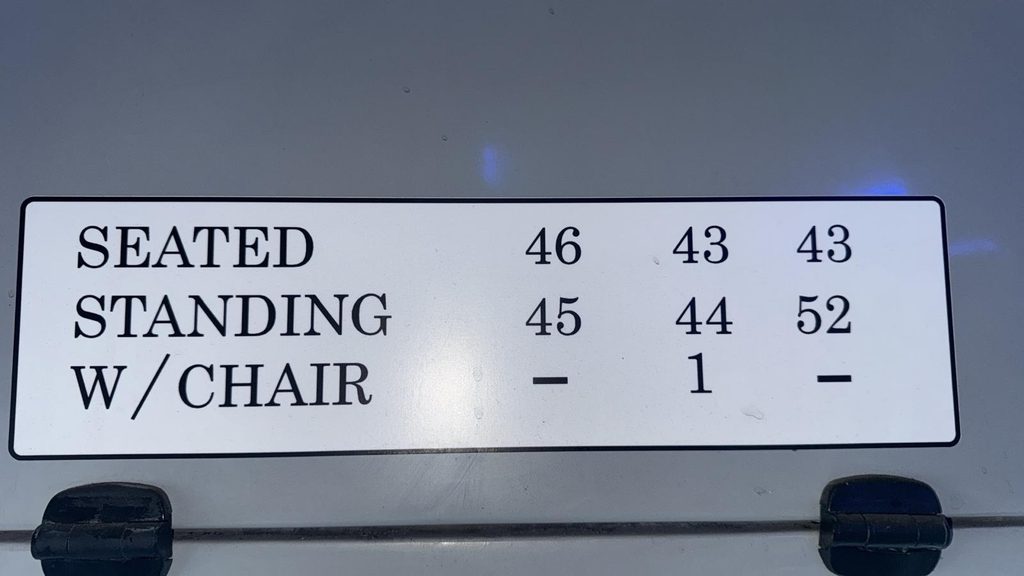
Buses are the safest way to travel on our roads – you’re statistically far more likely to come to harm in your car than on a bus. They’re designed, built and licensed to carry both seated and standing passengers.
The bus we generally use for our school run is licensed to carry up to 95 passengers, seated and standing. Sometimes we carry around 60 – well under capacity. These busy runs pay their way, and help fund the quieter journeys in the middle of the day. We’re lucky to have them.
So if you see me standing on the bus in ten years’ time, maybe offer me your seat. But for now, I’m very happy to stand – I know how important “standing room only” is for the future of our bus services.
And secretly, I’m still trying to be one of the cool kids 🙂